Pelvic Congestion Syndrome:
Pelvic Heaviness, Pressure, or Pain?

Chronic pelvic heaviness that gets worse when you stand and feels better when you lie down?
A hidden pelvic vein problem may be causing your pain, pressure, or heaviness — especially if symptoms have lasted more than 6 months or worsened after pregnancy. Pelvic congestion syndrome (PCS) often causes dull, heavy pelvic pain that worsens with standing, sitting, intercourse, or around periods and improves with lying down.
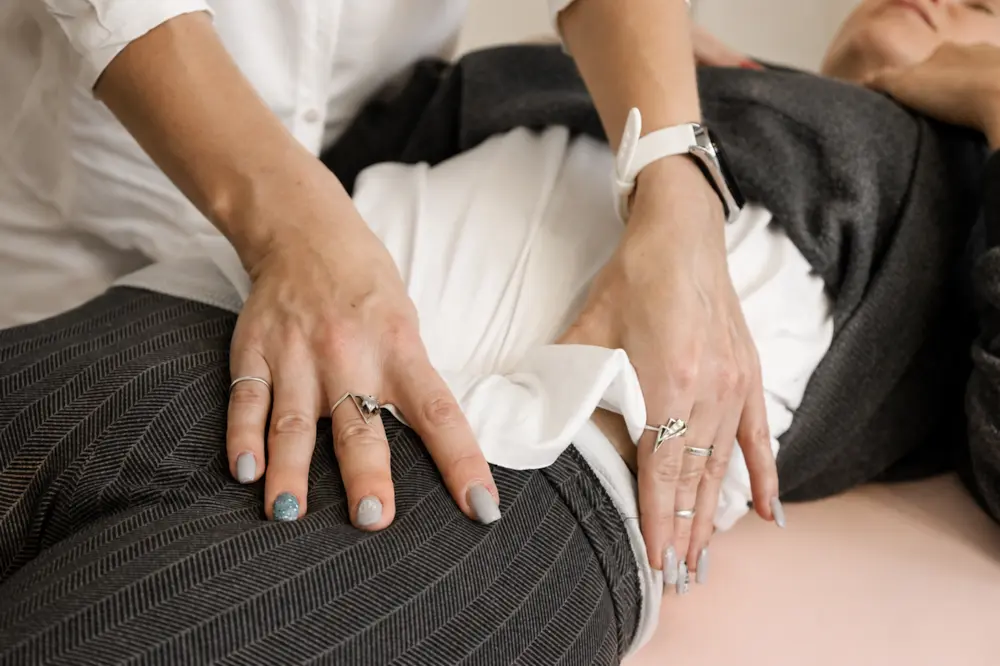
When pelvic pain doesn’t fit the usual answers
Many women live with chronic pelvic pain or pressure for months or years without a clear explanation. They may be told their imaging is normal, their pain is hormonal, or that they simply have to manage it.
Pelvic congestion syndrome and related pelvic venous disorders are commonly missed causes of chronic pelvic pain — especially in women who have given birth and whose symptoms worsen through the day or with prolonged standing.
If your symptoms feel heavy, aching, pressure-like, or dragging, and especially if they improve when you lie down, your pelvic veins may deserve a closer look. Pelvic venous problems can also be associated with vulvar veins, leg heaviness, urinary urgency, low back discomfort, and pain during or after sex.
Does This sound Like You?
- You feel a deep pelvic ache, pressure, or heaviness most days
- Symptoms are worse at the end of the day
- Standing or sitting too long makes the pain worse
- Lying down brings relief
- Pain is worse during or after sex
- Symptoms became more noticeable after pregnancy or after multiple pregnancies
- You have vulvar, buttock, upper-thigh, or leg varicose veins
If several of these fit, the next step is not guessing — it is a focused pelvic vein evaluation. Ultrasound is usually the first imaging test, with MRI, CT, or pelvic venography used in selected cases.
A more focused pathway for pelvic vein-related symptoms
The goal of this platform is to help women recognize when chronic pelvic symptoms may have a venous cause. The site is built around the symptom patterns most associated with pelvic venous congestion: heaviness, pressure, pain that worsens upright, and relief with lying down. Those patterns help distinguish vein-related symptoms from other gynecologic, gastrointestinal, urologic, or musculoskeletal causes of pelvic pain.
If evaluation supports a venous source, one of the common minimally invasive treatment options is gonadal vein embolization, which blocks refluxing ovarian or pelvic veins contributing to congestion. Venous embolization is typically an outpatient procedure used when symptoms and imaging support the diagnosis.
Frequently asked questions
It is commonly described as dull, aching, heavy, or pressure-like rather than sharp. Symptoms often worsen late in the day, with standing or sitting, and improve when lying down.